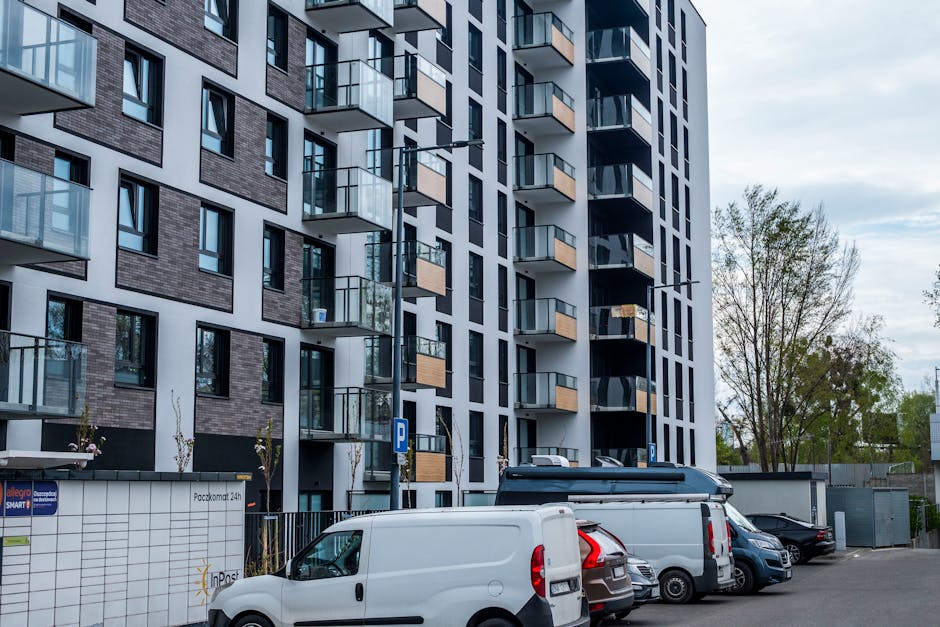
Gascoigne Estate man and van guide for tight access
Moving in Gascoigne Estate can feel straightforward on paper, then suddenly you're facing a narrow stairwell, a tight turning circle, parked cars right where you need them, and a sofa that looks one inch too wide for comfort. That's the reality of tight access moves. This Gascoigne Estate man and van guide for tight access is designed to help you plan properly, avoid last-minute stress, and understand what a good mover will do differently when space is limited.
If you live in a flat, a maisonette, a converted property, or anywhere with awkward access, the job is still absolutely manageable. It just needs a bit more thought. Truth be told, most problems on moving day come from underestimating the access, not the load itself. A careful plan, a realistic van choice, and a mover who knows how to work in tight spaces can make the difference between a calm move and a long, frustrating one.
In this guide, you'll find practical steps, common pitfalls, useful tools, and a clear breakdown of how tight-access removals usually work in the Gascoigne Estate area. You'll also see where services like man and van services in Barking, flat removals in Barking, and furniture removals support fit into the bigger picture when you need a bit more flexibility.
Table of Contents
- Why tight access matters in Gascoigne Estate
- How a tight-access man and van move works
- Key benefits and practical advantages
- Who this is for and when it makes sense
- Step-by-step guidance for a smoother move
- Expert tips for better results
- Common mistakes to avoid
- Tools, resources and recommendations
- Law, compliance, standards and best practice
- Options and comparison table
- Real-world example
- Practical checklist
- Conclusion
- Frequently asked questions
Why Gascoigne Estate man and van guide for tight access Matters
Tight access changes everything about a move. A job that would be simple on a wide suburban street can become fiddly in a smaller estate setting, especially where parking is restricted, footpaths are narrow, or the front door opens straight into a staircase. In Gascoigne Estate, that often means planning around real-world constraints rather than assuming the van can park right outside.
Why does that matter so much? Because access affects time, labour, risk, and cost. If a mover has to park further away, carry items around corners, or split loads into smaller trips, the work naturally takes longer. And if large items are not measured properly, you can end up with awkward lifting, surface damage, or a sofa wedged in a hallway. Nobody wants that. Not you, not the crew, and definitely not the neighbours looking on over the railings at 8:15 in the morning.
This is also where local knowledge helps. An experienced team understands the difference between a move that needs a compact van and one that needs extra hands, a second stop, or a careful loading sequence. If you're comparing services, it's worth looking beyond the headline price and checking the provider's wider approach through pages like the services overview and removal services in Barking.
Key point: with tight access, the real job is not just transport. It's route planning, item handling, parking sense, and sensible timing.
How Gascoigne Estate man and van guide for tight access Works
A tight-access move usually starts before anyone picks up a box. The mover will want to know what type of property you're in, what floor you're on, whether there is a lift, how steep the stairs are, and where the van can actually stop. That sounds obvious, but people often skip this part and then wonder why the day feels rushed. To be fair, it's easy to do when you're juggling landlords, keys, utilities, and a dozen other moving tasks.
In practice, the process often looks something like this:
- Initial enquiry and details gathering. You explain what needs moving, the access conditions, and any awkward items such as wardrobes, mattresses, pianos, or boxed appliances.
- Assessment of the access route. The mover works out whether the property needs extra manpower, protective equipment, or a smaller van for easier manoeuvring.
- Planning the loading order. Larger or more delicate items are loaded in a way that matches the route out of the building and the parking position.
- Arrival and on-site adjustment. Even the best plan may need a quick tweak if a parking space is blocked or a hallway is narrower than expected.
- Careful carrying and van loading. The crew uses controlled lifting, blankets, straps, and clear communication to keep things moving safely.
For some moves, the customer prepares and the mover handles the rest. For others, there's a bit more back-and-forth. If you want a helpful example of how preparation can be structured, have a look at pack your items and wait for us to come. And if your schedule is a bit tight, the page on delivery at the best time for you is a useful reminder that timing flexibility can matter just as much as vehicle size.
Sometimes the answer is simple: use a smaller van, make a couple of runs, and keep the load disciplined. Other times, especially with furniture or heavier items, the smarter move is extra care rather than extra speed. Little bit slower, but safer. That's usually the right call.
Key Benefits and Practical Advantages
The biggest benefit of a tight-access man and van service is not speed. It's control. When the access is awkward, control saves time and reduces the chance of damage. A well-planned move can be surprisingly calm, even if the stairs are tight and the parking is less than ideal.
Here are the practical advantages people usually feel straight away:
- Better vehicle matching. A van that suits the route is easier to park and safer to load.
- Reduced carrying risk. Shorter, planned carrying routes lower the chance of knocks and strains.
- Less disruption for neighbours. Quicker unloading and smarter parking can keep the street less congested.
- More predictable timings. Good planning means fewer surprises when the van arrives.
- Better protection for furniture. Careful handling helps avoid scuffs, chips, and corner damage.
There's also a psychological benefit that people don't always mention. When you know the access has been thought through properly, the whole move feels less chaotic. Even a tricky flat move can feel manageable once the plan is clear. If you're moving from an upper-floor property, this is especially relevant; the right support often overlaps with house removals in Barking or man with van services in Barking, depending on the size of your load.
Small detail, big difference: a mover who asks for stair width, lift size, or photos of the entrance is doing the right thing, not being awkward. They're preventing a headache later on.
Who This Is For and When It Makes Sense
This guide is for anyone moving in or around Gascoigne Estate where access is limited, cluttered, or just plain awkward. That includes tenants in flats, homeowners in terraced properties with narrow front paths, students moving small loads, and anyone with bulky furniture that needs careful handling.
It makes sense if you're dealing with any of the following:
- tight staircases or sharp turns
- no lift, or a lift that barely fits larger items
- shared entrances or communal hallways
- restricted parking near the property
- single-item moves where the object is heavy but the access is awkward
- same-day or short-notice moves where planning still needs to be smart
Students often need this kind of service when moving between rooms or shared flats. So do people who are downsizing, or anyone who's bought a sofa online and then realised the hall looks narrower than it did in the seller's photos. Happens more than you'd think. For student and quick-turnaround moves, a look at student removals in Barking and same-day removals can be genuinely useful.
If the access is straightforward, a standard vehicle might be fine. If it isn't, you want a mover who can adapt without drama. That's the whole point.
Step-by-Step Guidance
Here's a practical way to prepare for a tight-access move in Gascoigne Estate without overcomplicating it.
- Measure the awkward bits first. Check door frames, stair width, lift dimensions, and any corners where furniture has to pivot. Measure the widest part, not just the height.
- Identify parking options. Work out where a van can stop legally and realistically. If the nearest option is a bit of a walk, account for that early.
- Separate the big items. Sofas, beds, wardrobes, freezers, and pianos should be listed clearly so the mover can plan handling properly.
- Declutter before the move. Fewer loose items means faster loading and less chance of clutter clogging up the hallway. A helpful read here is our pre-move decluttering guide.
- Use proper packing materials. Boxes that are too weak or too heavy create problems fast. See packing and boxes support for more context.
- Protect floors and corners. If your building has painted banisters, old carpets, or narrow entry points, ask how the mover protects them.
- Confirm timing. Let the mover know about access windows, traffic patterns, or building rules. A clear slot can save a lot of waiting around.
- Keep essentials separate. Keys, documents, chargers, kettle, medication, and one clean set of clothes should stay within easy reach.
One small but important tip: photograph the entrance, staircase, and the biggest item from a few angles. It takes two minutes and often tells the mover more than a long message does. A quick picture of the landing can reveal more than a whole paragraph of guessing, honest.
If you're moving furniture specifically, you may also find our sofa storage article useful for protecting upholstered items before and after transit.
Expert Tips for Better Results
People often think a good move is all about lifting strength. It isn't. It's about sequence, timing, and patience. Here are a few practical tips that make a real difference in tight-access situations.
- Use the shortest route, not the fanciest one. Sometimes the "best" route is simply the one with fewer doors, corners, and trip hazards.
- Keep the van load organised by priority. Put the first items you'll need near the rear door so you're not unpacking half the van to find a mattress.
- Disassemble furniture where sensible. Beds, tables, and some wardrobes are easier to move in parts. If you're dealing with beds or mattresses, this guide on stress-free bed and mattress relocation is worth a look.
- Wrap before you walk. Using blankets, stretch wrap, or corner protectors before the item leaves the flat can save scuffs in the stairwell.
- Don't rush the first corner. The first bend usually decides how smooth the rest of the move will be.
For very heavy or awkward items, a cautious lifting approach matters even more. If you're curious about technique and load handling, safe and smart heavy lifting methods explains the thinking in plain English. And if your move involves a piano, which is a different beast entirely, the article on piano removals in Barking is the right place to start.
A little humour goes a long way on moving day too. If a mover says, "I'd rather turn this once than carry it twice," you know they've done this before.
Common Mistakes to Avoid
Most tight-access problems come from avoidable mistakes. The good news is that once you know the patterns, they're easier to steer around.
- Underestimating van access. A vehicle that is too large can create more trouble than it solves.
- Ignoring measurements. Guesswork and furniture rarely get along.
- Leaving packing too late. Loose items slow the job and make stairways cluttered.
- Forgetting about parking rules. If the van cannot stop close enough, loading time stretches out fast.
- Failing to mention fragile or high-value items. That includes mirrors, artwork, electronics, and anything with sentimental value.
- Not checking the building layout. A flat may look simple online and feel like a maze in person.
One common error is assuming a move is "only a small one" so planning doesn't matter. Actually, small moves can be the trickiest, because one bulky item can dominate the whole access route. Another is forgetting that weather matters. Rain on a narrow entrance path can turn a routine carry into a slippery little nuisance. Not ideal.
If you're weighing whether to move independently or use support, comparing options early helps. For broader context, removal companies in Barking and removals in Barking can help you understand where a man and van service sits in the market.
Tools, Resources and Recommendations
For tight access, the right tools matter more than people often expect. You do not need a warehouse full of kit, but a few practical items help a lot.
| Tool or resource | Why it helps | Best used for |
|---|---|---|
| Measuring tape | Confirms furniture and doorway dimensions before move day | Sofas, wardrobes, appliances, stairs |
| Furniture blankets | Protects surfaces from knocks and scuffs | Wood, glass, painted edges, upholstered items |
| Stretch wrap | Secures drawers, doors, and loose parts | Chest of drawers, mattress edges, modular furniture |
| Strong boxes | Makes stacking and carrying safer | Books, kitchen items, clothes, mixed household goods |
| Trolley or sack truck | Reduces manual carrying where the route allows it | Appliances, box stacks, heavier items |
| Photo reference | Helps the mover visualise access before arrival | Staircases, entrances, tight landings, parking points |
Good preparation also means choosing a service that matches the job. If you need a smaller vehicle, take a look at removal van options in Barking. If you want help with the whole process, not just the transport, man with a van support can be a better fit than trying to patch everything together yourself.
There's one more resource worth mentioning: storage. If access issues mean you can't move everything in one go, temporary storage can ease the pressure. The page on storage in Barking is useful if you need to stagger the move.
Law, Compliance, Standards and Best Practice
For moving services in the UK, the main concern is not legal complexity for the customer, but safe and responsible working practice. A professional mover should be mindful of vehicle safety, load security, manual handling, insurance arrangements, and sensible conduct in shared residential areas. That is especially relevant in tight-access settings where the risk of damage or injury can increase if people rush.
From a best-practice point of view, you should expect the following:
- Clear communication before the move. The provider should ask sensible questions about access, load size, and timing.
- Safe lifting methods. Heavy or awkward items should be handled in a way that reduces strain and avoids uncontrolled movement.
- Respect for property. Care should be taken with floors, walls, doors, and communal spaces.
- Appropriate insurance awareness. You should understand what is and is not covered before the job starts.
- Transparent terms. Basic expectations around payment, delays, and cancellations should be clear.
It's sensible to check supporting pages such as insurance and safety, health and safety policy, terms and conditions, and pricing and quotes. That way, you're not guessing how the service operates. You're making an informed choice.
For customers with accessibility needs, it can also be helpful to review the accessibility statement. Not every move is the same, and not every building or route offers the same level of ease. Best practice is about recognising that early.
Options and Comparison Table
There are usually a few ways to handle a tight-access move. The right choice depends on the size of the job, the building layout, and how much help you want on the day.
| Option | Best for | Strengths | Trade-offs |
|---|---|---|---|
| Compact man and van | Small to medium loads with limited parking or narrow entrances | Easier manoeuvring, often quicker in tight streets | May need more trips for larger loads |
| Full removal team | Larger household moves or multiple heavy items | More labour, more structured handling | May be more than you need for a small flat move |
| Single-item specialist move | Sofas, beds, appliances, pianos, or a few bulky items | Focused handling, efficient for awkward objects | Less useful if you have lots of boxes as well |
| Split move with storage | When access or timing makes a full move difficult in one day | Reduces pressure and can simplify logistics | Requires a second step and more coordination |
For many Gascoigne Estate moves, the compact man and van option is the sweet spot. It's agile, practical, and easier to work with when the street or entrance is cramped. But if you've got a full flat, a lot of furniture, or a tricky staircase, a more structured removal service may be the safer choice. If you're undecided, reading through man and a van services and house removals support can help you compare the level of service more clearly.
Case Study or Real-World Example
A typical Gascoigne Estate job might look like this: a second-floor flat, a narrow stairwell, and a one-bedroom load that includes a bed frame, mattress, a small dining table, boxes of books, and a sofa. The entrance is shared, so the mover can't block the walkway for long. Parking is available, but not directly outside. Classic tight-access move, really.
In that situation, the best approach is usually:
- measure the sofa and bed frame before the move
- remove legs or headboards where possible
- pack boxes tightly so they are stackable
- keep the hallway clear of loose items
- load the van in the order items will be needed at the destination
What tends to save time is not brute force, but sequencing. The sofa goes first if it's the largest obstacle, or later if it needs to protect the back of the van. Boxes go where they can't topple. Mattress bags help keep bedding clean if the staircase is dusty or the weather's damp. Nothing glamorous, but it works.
In a real move like this, the difference between a smooth day and a stressful one is usually one conversation before the job starts. A few photos. A quick measurement. A clear parking note. That's it. Small things, big relief.
For furniture-heavy situations, especially if you have delicate pieces to protect, the article on moving house with more peace of mind is a good companion read. And if you're preparing to load a larger item, our guide to safer lifting technique is worth your time too.
Practical Checklist
Use this checklist a day or two before the move. It keeps things simple.
- Measure the widest furniture pieces
- Check doorway, stair, and lift dimensions
- Confirm where the van can stop
- Take photos of the access route
- Pack fragile items separately
- Label boxes clearly by room
- Disassemble large furniture where possible
- Keep hallways and entrances clear
- Protect floors, corners, and banisters
- Set aside essentials for the first night
- Share any timing restrictions with the mover
- Check policies on insurance, payment, and terms
Expert summary: tight access is manageable when you plan for the building, not just the belongings. Measure early, communicate clearly, and choose a mover whose vehicle and handling style fit the space.
If you still feel unsure, that's normal. A lot of people do. The simplest next step is to get advice early rather than wait until the boxes are stacked in the hallway and everyone is trying to guess the best route out.
Conclusion
A move in Gascoigne Estate with tight access does not need to be stressful. It just needs thoughtful planning, honest measurements, and a mover who understands that the challenge is often the path, not the load. Once you account for stairs, parking, narrow openings, and the sequence of each item, the day becomes much easier to manage.
The best results usually come from simple habits: measure first, pack properly, keep access clear, and choose the right service level for the job. Whether you're moving a few boxes, a full flat, or one awkward piece of furniture, a careful approach will always beat a rushed one. And that's the part people remember afterwards - not the lifting, but the relief of it all going smoothly.
If you're ready to plan your move properly, start with a quick enquiry and make the access details clear from the beginning. That one step saves time, money, and a fair bit of stress.
Get a free quote today and see how much you can save.
Frequently Asked Questions
What does tight access mean for a man and van move in Gascoigne Estate?
Tight access usually means the van cannot park very close to the property, or the route in and out is narrow, awkward, or obstructed. That could include stairs, corners, shared hallways, or limited street parking. It affects timing, lifting, and the vehicle choice.
How do I know if my sofa will fit through the stairwell?
Measure the sofa at its widest point and compare that with the narrowest part of the stairwell, landing, and doorway. Don't forget to account for turning angles. If in doubt, send photos and measurements to the mover before the day.
Is a smaller van better for tight access?
Often yes, because it is easier to park and manoeuvre. But the right size depends on how much you're moving. Sometimes a smaller van with a smart loading plan is better than a larger one that struggles to reach the property.
Do I need to disassemble furniture before moving day?
It helps in many cases, especially with beds, tables, wardrobes, and bulky shelving. Disassembly can reduce the risk of damage and make narrow exits much easier. If you're unsure, ask the mover what should come apart first.
Can a man and van service handle flats without a lift?
Yes, many can, but it depends on the item size, floor level, and total load. Upper-floor moves take more time and care, so the quote and plan should reflect that. A clear description of the stairs is very helpful.
How far in advance should I book for a tight-access move?
As early as you can, especially if you need a specific time slot or have a difficult access route. Even for smaller moves, a bit of notice gives the team time to plan the right vehicle and manpower.
What should I tell the mover before booking?
Tell them what you're moving, the number of floors, whether there's a lift, where parking is available, and whether there are any oversized or fragile items. Photos are useful too. A quick image can answer questions instantly.
Will tight access make the move more expensive?
It can, because difficult access may take more time or require extra handling. That said, not every tight-access move is expensive. Clear planning can keep costs under control and reduce surprises.
What if parking is blocked on the day?
The mover will usually adapt by finding the nearest lawful spot and adjusting the carrying route. This may add time, so it's sensible to mention parking challenges in advance. If there are regular restrictions, say so upfront.
Are there items that need specialist handling?
Yes. Pianos, large mirrors, antique furniture, heavy appliances, and fragile upholstered items often need extra care. Some of these are better handled through specialist services such as piano removals in Barking or dedicated furniture support.
What should I do if I need storage as part of the move?
If access or timing means the move can't happen in one clean run, short-term storage can help. It gives you breathing room and avoids forcing everything through a narrow space at once.
How can I get the smoothest possible moving day?
Pack early, label clearly, measure your largest items, share access details, and keep the route clear. Then let the mover do what they're good at. A little planning goes a long way, really it does.