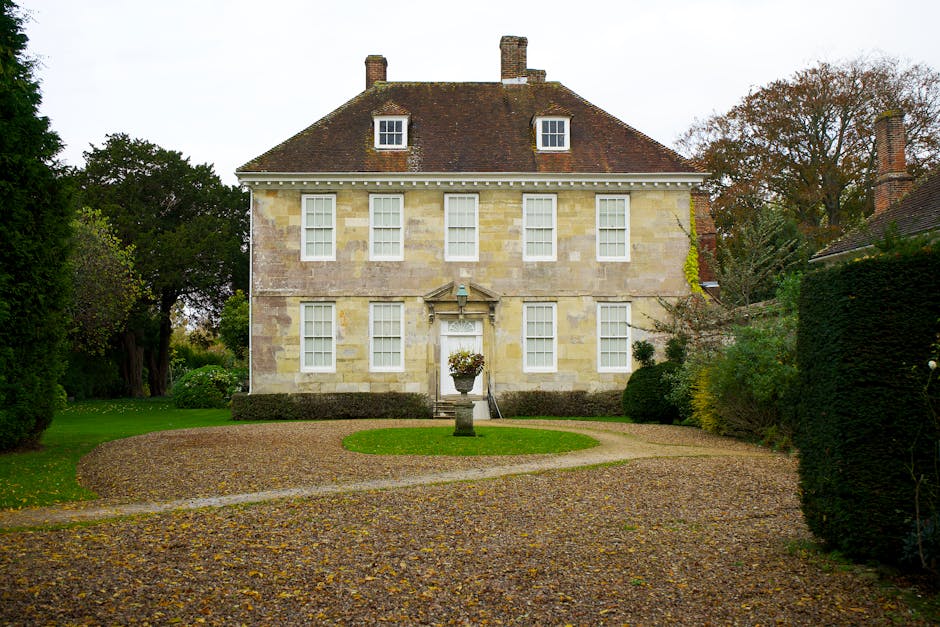
Eastbury Manor removals tips for listed building properties
Moving in or out of a listed building is never quite the same as a standard house move. With Eastbury Manor removals tips for listed building properties, the goal is not just to get everything from A to B. It is to protect historic fabric, avoid avoidable damage, respect access limits, and keep the whole process calm enough that you can actually breathe. That matters a lot in older buildings, where a narrow stair, a fragile banister, or an awkward doorway can turn a simple sofa move into a proper headache.
If you are preparing for a move near Eastbury Manor, or in a similar heritage property nearby, the difference usually comes down to planning. Good packing, sensible timing, and the right moving team can save time and prevent damage. To be fair, that is the part most people underestimate. This guide walks you through the practical side of moving in listed building properties, with real-world advice you can use straight away.
Table of Contents
- Why listed-building moving care matters
- How the moving process works in a heritage property
- Key benefits and practical advantages
- Who this is for and when it makes sense
- Step-by-step guidance
- Expert tips for better results
- Common mistakes to avoid
- Tools, resources and recommendations
- Law, compliance, standards and best practice
- Options, methods and comparison table
- Case study or real-world example
- Practical checklist
- Conclusion
- Frequently asked questions
Why Eastbury Manor removals tips for listed building properties Matters
Listed buildings are not just older buildings. They are properties with historic value, and that changes the way you should move furniture, boxes, and equipment inside them. Many of the risks are not obvious until you are standing in a hallway with a wardrobe that will not turn the corner. Old plaster can chip easily. Door frames may be narrower than modern ones. Floors can creak, flex, or scuff. Stairs may be steeper than you expect.
With Eastbury Manor removals tips for listed building properties, you are really planning for three things at once: protecting the building, protecting your belongings, and protecting your own time and energy. That balance is the whole game.
It is also worth remembering that older properties often have a few hidden quirks. One entrance may be beautiful but impractical. A service path might be easier than the front approach. A loading space may be limited. These details sound small, but they can make the difference between a smooth move and a stressful one. And nobody wants the first box dropped on the one section of floor that has seen a few centuries already.
Expert summary: In a listed building, the safest move is usually the one that is planned with the building in mind first, and the furniture second. Measure carefully, protect surfaces early, and choose a route before moving day arrives.
How Eastbury Manor removals tips for listed building properties Works
The process works best when you think of the move in stages. First comes the property survey in a practical sense: where are the tight spots, what needs protection, and which items are awkward or valuable? Then comes packing and labelling, which should be more detailed than usual because delays and detours are common in heritage homes. Finally, there is the actual move, which should be coordinated around access, parking, and the safest lifting route.
In practice, that means a removal team should know more than just how to lift a sofa. They should understand how to angle furniture through awkward spaces, how to use protective coverings properly, and how to work carefully around sensitive surfaces. If you are booking support, it helps to choose a service that is comfortable with careful home moves. For wider help, see the services overview and the more focused house removals support available locally.
A good moving day often feels a bit uneventful, which is exactly what you want. Boxes out. Corners protected. No drama. Honestly, that is a win.
If you are dealing with furniture that is especially bulky, it is smart to look at specialist handling too. Articles like safe and smart heavy lifting methods and furniture removals in Barking can give you a better idea of how careful handling works in real life.
Key Benefits and Practical Advantages
There is a very practical upside to planning a move properly in a listed property. You reduce the chance of damage, but you also reduce friction. Less stopping and starting. Less backtracking. Less "can we just take this apart?" when nobody brought the right tools.
Here are the main benefits:
- Less risk to the building: Protective wrapping, corner guards, and careful route planning help prevent chips, marks, and scuffs.
- Less risk to furniture: Old wood furniture, mirrors, and soft furnishings can all suffer if rushed through tight spaces.
- Better time control: A planned route is faster than improvising in a stairwell.
- Less stress for you: Once you know the access plan, the move feels far more manageable.
- More confidence with specialist items: Pianos, mattresses, sofa sets, and fragile cabinets are easier to manage when handled properly.
There is another advantage people forget: better communication. When you understand the access limitations and the order of operations, you can explain things clearly to movers, landlords, neighbours, or building managers. That alone can save a surprising amount of hassle.
Who This Is For and When It Makes Sense
This guide is for anyone moving within or out of a listed building, particularly in areas where older properties meet modern traffic and parking constraints. It makes sense if you are:
- moving from a heritage flat or maisonette;
- bringing furniture into a period property with narrow access;
- relocating a piano, bed, sofa, or heavy cabinet;
- trying to avoid damage to decorated plaster, timber, or stone details;
- working to a strict moving window, perhaps because of a landlord or building manager;
- planning a family move where one mistake could make the day much harder than it needs to be.
If you are comparing moving help, it can also be useful to look at different service types. For example, a flexible man and van service can suit smaller or lighter moves, while a bigger home move may call for a more complete removal services option.
And if you are moving from a flat within a larger block, you may find this similar planning advice useful in removals for flats near Barking Station. Different building, same principle: access first, furniture second.
Step-by-Step Guidance
Here is a practical way to approach the move without overcomplicating it.
- Walk the property before move day. Check entrances, internal doors, staircases, hall widths, lift access if there is one, and any areas with delicate finishes.
- Measure the awkward items. Sofas, bed frames, wardrobes, sideboards, mirrors, and pianos deserve special attention. Compare item dimensions with door widths and turning space.
- Decide what must be dismantled. Some items are safer in parts. Beds are often straightforward, and guides like stress-free bed and mattress relocation can help you plan the easy wins.
- Pack by room and label clearly. Not just "kitchen" or "spare room". Try "kitchen - fragile - first unload" if it helps. Future you will be grateful.
- Protect surfaces before anything moves. Use covers, floor runners, blankets, and door guards where needed.
- Set the sequence for loading. Heavy and awkward items usually go first, but the exact order should follow the access route and the vehicle layout.
- Leave a clear path. Hallways fill up quickly. Clear them early in the day so the team can work safely.
- Unload in reverse priority. Put the essentials in first, then the larger furniture, then the non-urgent boxes last.
If you need a more detailed approach to sorting your belongings before packing, the guide on pre-move decluttering is a useful companion piece. Less clutter means fewer chances of knocking something fragile on the way out. Simple, but true.
Expert Tips for Better Results
Once the basics are covered, the finer points make a big difference. These are the tips that tend to save the day when a property is a little awkward, a little precious, or both.
Use the least damaging route, not the shortest one
The quickest path is not always the safest. A slightly longer route through a wider doorway or safer stairwell can be much better than squeezing through a tight heritage feature. If something feels too tight, it probably is.
Wrap furniture with purpose
Blankets are fine, but use them properly. Secure them so they do not slide and scratch surfaces. Corners need extra attention because they are often the first thing to hit a frame. That tiny corner chip can become the one thing you keep noticing for months.
Keep a small "do not pack" kit
This should include tape, a marker, utility knife, cloths, a torch, charging cables, any keys you need, and basic cleaning wipes. In older properties, where rooms can feel a bit dim or oddly shaped, having these items close by is just practical.
Plan around neighbours and loading conditions
Listed buildings often sit in busier streets or tightly arranged neighbourhoods. A few polite timings and a clear parking plan can make the day go more smoothly. If you need a time-specific drop-off or collection, it is worth seeing best-time delivery arrangements so your move fits around access windows rather than against them.
Be realistic about specialist items
Pianos, large wardrobes, and antique furniture are not the place to gamble. If you have a piano, it is worth reading piano removals support and the related guide a piano's journey better left to movers. That is not just a sales pitch. It is basic common sense.
Common Mistakes to Avoid
A lot of move-day problems are preventable. Most come from one thing: assuming a listed building will behave like a modern one. It won't. Not even close.
- Skipping measurements: A sofa can look fine in the room and still fail at the doorway.
- Ignoring floor protection: One quick drag can leave a permanent mark on a historic surface.
- Overpacking boxes: Heavy boxes are harder to carry safely, especially up stairs.
- Leaving packing too late: Rushing creates mistakes. Simple as that.
- Forgetting building rules or access instructions: Timings, entry codes, and parking restrictions need checking early.
- Not separating fragile items: Mixing them into general boxes is asking for trouble.
- Using the wrong moving method for the item: A mattress is not a wardrobe, and a wardrobe is not a book box. Obvious, yes. Yet people still try it.
There is also a quieter mistake: trying to do too much on your own. A little self-reliance is fine, but the risk goes up fast with stairs, tight turns, or fragile finishes. If you are unsure, get help early rather than late.
Tools, Resources and Recommendations
You do not need a truckload of equipment, just the right things. Here is what tends to help most in listed building moves:
- Furniture blankets and stretch wrap: Good for protecting wood, upholstery, and corners.
- Floor runners: Especially useful on old timber or stone floors.
- Strong boxes in mixed sizes: Bigger is not always better. Small boxes are easier for books and heavier items.
- Marker pens and labels: Clear labelling reduces unloading confusion.
- Furniture tools: Screwdrivers, Allen keys, zip bags for screws, and a phone camera for taking apart items.
- Storage options: If the move is staged, temporary storage can keep your items safe while access issues are sorted. See storage solutions in Barking.
For packing help, the article on packing simplified with a step-by-step moving plan is worth a look. It fits nicely with heritage moves because it pushes you to organise before the lifting starts.
You may also want to use a service that lets you pack in advance and have the team collect when ready. That approach is explained well in this packing-and-wait service guide. It is a neat option when you are working around a tight schedule, or just prefer a calmer pace.
Law, Compliance, Standards, or Best Practice
For listed buildings, compliance is not about turning your move into a legal seminar. It is about respecting the property, checking responsibilities, and avoiding accidental damage. If a building is listed, there may be rules around alterations, conservation-sensitive features, and how work is carried out. Moving furniture itself is usually not the same as making structural changes, but you still need to act carefully and avoid causing harm to protected fabric.
Best practice usually includes:
- checking with the property owner, landlord, or managing agent before move day;
- confirming access permissions and parking arrangements;
- protecting surfaces and historic details;
- using appropriate lifting techniques and enough people for heavy items;
- confirming insurance cover and safety procedures with the moving provider.
If you are comparing moving companies, it is sensible to look at their approach to safety and responsibility. The pages on insurance and safety and health and safety policy are useful places to check before you book. That kind of transparency matters, especially for heritage properties where a small mistake can be expensive to put right.
One more practical note: always read the moving terms and conditions carefully. You do not need to be suspicious of anyone, just informed. That is the adult version of common sense, really.
Options, Methods, or Comparison Table
Different moves call for different levels of support. The table below gives a simple comparison of common options for listed-building removals.
| Method | Best for | Pros | Watch out for |
|---|---|---|---|
| DIY move | Very small moves with easy access | Flexible timing, lower direct cost | Higher risk of damage, more physical effort, more planning on you |
| Man and van | Smaller to medium moves, local relocations | Practical, often quicker to arrange, good for mixed loads | May not suit very large households or highly specialist items without extra planning |
| Full removal service | Larger home moves or complex access | More support, better for awkward furniture and staged loading | Usually needs earlier booking and more detailed planning |
| Storage-assisted move | When access, renovation, or timing is uncertain | Reduces pressure, helps with phased moves | Extra coordination needed, and items should be packed properly for storage |
For many Eastbury Manor-style heritage moves, the middle ground works best: careful packing, a well-sized vehicle, and a team who understands how to work around older architecture. If you need a broader service comparison, the removals page for Barking is a helpful place to start.
Case Study or Real-World Example
Imagine a couple moving from a top-floor listed flat into a period townhouse nearby. The staircase is narrow, the banister is original, and the front entrance opens directly onto a tight pavement. On paper, the move looks simple enough. In reality, one oversized wardrobe and a delicate mirror could cause all the stress.
What works best in a situation like that? They measure the wardrobe before move day, remove doors and shelves, wrap the mirror separately, and clear the hallway before the team arrives. The movers use blankets on the stair edges, carry the wardrobe in sections, and load fragile items last. The day takes a bit longer than a modern flat move would. That is fine. The point is that nothing gets chipped, the furniture arrives intact, and nobody is left sweating in the doorway at 5:30pm wondering why they thought this would be easy.
If they had not planned, the likely outcome would have been the opposite: extra handling, more risk, and a lot of muttering. Small preparation. Big difference.
Practical Checklist
Use this checklist in the days before moving.
- Measure doors, stairs, hallways, and the largest furniture items.
- Confirm loading access, parking, and any time restrictions.
- Ask whether any historic surfaces need extra protection.
- Separate fragile, valuable, and sentimental items.
- Label boxes by room and priority.
- Disassemble large furniture where safe to do so.
- Prepare blankets, tape, marker pens, and tools.
- Keep essentials aside for the first night.
- Check insurance and safety arrangements.
- Leave walkways clear for the moving team.
For people who like a calmer move, the article on moving house with absolute peace of mind is a reassuring read. It is not magic. It is just good prep, done properly.
Conclusion
Moving in or out of a listed building does not have to be chaotic. The key is to respect the property, plan the route, and prepare your belongings with a bit more care than usual. That is really what Eastbury Manor removals tips for listed building properties comes down to: sensible planning that protects the building and keeps your move under control.
Once you focus on access, protection, and timing, the whole process becomes much less intimidating. And yes, there may still be a few awkward corners and one box you wish you had packed differently. That happens. But it does not need to derail the day.
If you are ready to discuss a careful local move, you can also explore man with van support in Barking or get in touch through the contact page for a more tailored conversation about access, timing, and the items you need moved.
Get a free quote today and see how much you can save.
Sometimes the best move is the one that feels quietly uneventful from start to finish.
Frequently Asked Questions
What makes moving in a listed building different from a normal house move?
Listed buildings often have narrower access, more delicate finishes, and older layouts that make lifting and turning furniture more difficult. The move needs more planning, more protection, and often a little more patience.
Do I need permission to move furniture in a listed property?
Usually you do not need special permission just to move furniture, but you should always check with the owner, landlord, or managing agent if there are access rules, parking restrictions, or conservation concerns. If in doubt, ask first.
How do I protect old floors during a move?
Use floor runners, blankets, or other protective coverings along the full route from entrance to loading area. Make sure the protection stays in place and is not slipping underfoot.
Should I dismantle large furniture before moving day?
Yes, if it is safe and practical to do so. Beds, some wardrobes, and certain tables are much easier to move in sections. Keep the fixings together in labelled bags so reassembly is not a guessing game.
Is a man and van service suitable for a listed building move?
It can be, especially for smaller or medium-sized moves with careful access planning. For larger homes or more complex furniture, a fuller removal service may be more suitable.
What should I do if a sofa or wardrobe will not fit through the staircase?
Stop and reassess before forcing it. Consider dismantling, using an alternative route, or changing the loading sequence. Forcing furniture through a tight gap is one of the easiest ways to damage the property and the item itself.
How far in advance should I book movers for a listed property?
As early as you reasonably can. Heritage properties often need more coordination, and busy moving dates can fill up quickly. Early booking also gives time to measure, plan, and flag any access issues.
Are pianos and antique pieces safe to move in listed buildings?
They can be, but they need specialist handling. Heavy, valuable, or fragile items should be moved with the right equipment and enough trained help. A piano is a good example of something that should not be improvised.
What if the building has very limited parking or loading access?
Then your route, timing, and vehicle choice matter even more. You may need to stagger loading, use a smaller vehicle, or arrange a more flexible collection time. Clear communication with the moving team is essential.
Can I store items temporarily if my listed property move is delayed?
Yes. Temporary storage is often useful when access dates change, decoration is unfinished, or you want to move in stages. Just make sure items are packed properly for storage conditions.
How do I know if a moving company is suitable for a listed building?
Look for signs that they take safety, insurance, and care seriously. They should ask about access, item sizes, flooring, parking, and timing rather than assuming everything will be straightforward.
What is the best first step if I am feeling overwhelmed?
Start with a walk-through and a list of the biggest obstacles: doors, stairs, bulky items, and parking. Once those are clear, the rest of the move becomes much easier to organise. Small steps first. That really helps.